





Wine Cellar Cooling in Texas: Why Split Systems Are the Right Choice
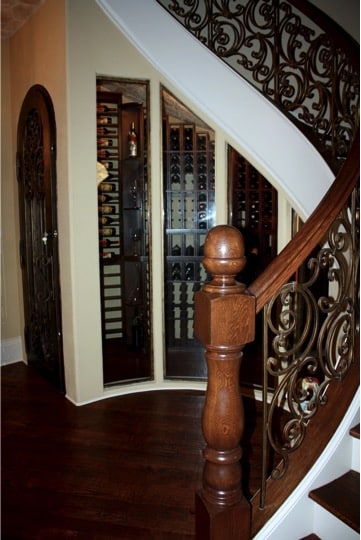
Texas is one of the most demanding environments for proper wine storage. Extreme heat, fluctuating humidity, and modern home designs all create challenges that standard cooling systems simply aren’t built to handle.
If you’re building or upgrading a wine cellar in Texas, choosing the right cooling system is critical. In most cases, that means using a split system designed specifically for wine storage.
Why Wine Cellar Cooling Matters in Texas
Unlike milder climates, Texas introduces conditions that require a more advanced approach:
- High ambient temperatures that push cooling systems to their limits
- Humidity swings that can damage corks and labels
- Glass-heavy or open-concept designs that reduce insulation efficiency
- Installations near exterior walls, garages, or warm interior spaces
A properly designed system doesn’t just cool the space. It maintains a stable environment that protects your collection long-term.
What Is a Split System Wine Cellar Cooling Unit?
A split system separates the cooling process into two main components:
- Evaporator: Installed inside or near the wine cellar
- Condenser: Located remotely, often outside or in a mechanical space
This separation allows for better performance, quieter operation, and more flexibility in how the system is installed.
To see how these systems are configured in real-world applications, you can explore wine cellar cooling system options and installation approaches.
Why Split Systems Work So Well in Texas

Split systems are particularly effective in Texas because they are built to handle demanding conditions while maintaining precise control.
1. Handles Extreme Heat
By placing the condenser in a well-ventilated or exterior location, the system can efficiently dissipate heat without overloading the cellar space.
2. Quiet Operation
Because the louder condenser component is located away from the cellar, the result is a quieter, more enjoyable environment inside the home.
3. Flexible Installation
Split systems allow for creative design solutions, especially in modern homes where aesthetics and space planning are important.
4. Better Temperature Stability
These systems are designed specifically for wine storage, maintaining consistent temperature and humidity even during seasonal extremes.
Planning a wine cellar in Texas? Getting the cooling system right early can prevent costly mistakes later. Learn more about wine cellar design considerations or explore options for your space.
Common Mistakes to Avoid
- Using undersized or off-the-shelf cooling units
- Relying on standard HVAC systems not designed for wine storage
- Poor insulation or missing vapor barriers
- Improper system placement or airflow design
These issues may not be obvious at first, but over time they can compromise both the cellar and the wine itself.
Final Thoughts
Wine cellar cooling in Texas requires more than a basic solution. It requires a system designed to handle heat, humidity, and long-term performance.
Split systems provide the flexibility, power, and control needed to maintain the ideal environment for your collection.
If you’re planning a wine cellar or upgrading an existing one, investing in the right cooling system from the start can save significant time, cost, and frustration down the line.
Start with the Right Cooling Strategy
Every wine cellar is different, especially in Texas. The right system depends on your space, design, and long-term goals.
If you’re in the early planning stages or evaluating your options, it’s worth taking a closer look at split system cooling solutions or reaching out through the contact page to get direction for your specific project.