





This residential wine cellar project in Baton Rouge, Louisiana required a cooling solution capable of maintaining stable wine storage conditions while integrating seamlessly into the cellar’s custom racking design. The homeowner wanted a system that would provide reliable temperature and humidity control without detracting from the appearance of the wine cellar itself.
To meet these requirements, a rack-mounted wine cellar cooling system featuring a twin-evaporator configuration was selected. The system was designed to deliver consistent airflow, efficient cooling performance, and discreet integration within the cellar’s architecture, helping preserve both the functionality and aesthetics of the space.
Wine cellars located in Louisiana face unique environmental challenges due to the region’s high humidity levels and extended cooling season. Maintaining proper storage conditions requires more than simply lowering the temperature—it requires a carefully engineered climate-control solution that can protect a wine collection from fluctuations in temperature and moisture over time.
This project demonstrates how a properly designed rack-mounted wine cellar cooling system can provide reliable climate control while remaining virtually hidden within the overall cellar design.
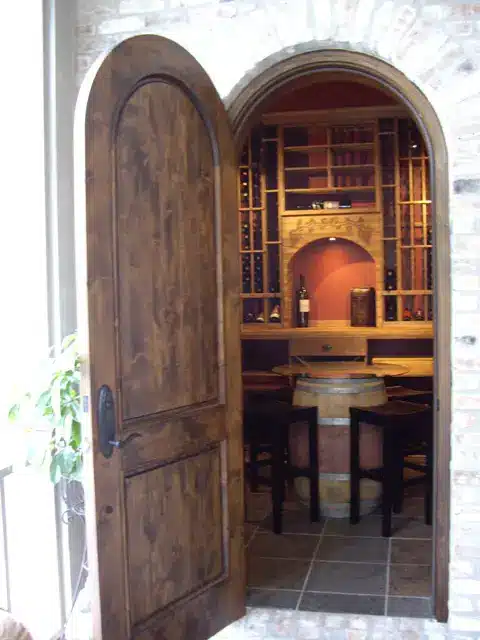
Charming, traditional wine cellar cooled efficiently by US Cellar System’s rack mounted wine cellar cooling unit.
Project Overview
Every wine cellar project begins with understanding the environmental demands of the space and selecting a cooling solution capable of maintaining consistent storage conditions year-round.
For this Baton Rouge installation, the objective was to create a wine storage environment that would support long-term wine preservation while maintaining the visual appeal of the cellar. The cooling system needed to integrate into the custom racking design, minimize visual impact, and provide dependable temperature and humidity management.
Because wine is highly sensitive to environmental fluctuations, maintaining stable cellar conditions is essential. Excessive heat, low humidity, or rapid temperature swings can negatively affect aging potential, flavor development, and overall wine quality.
By selecting a properly engineered cooling solution, the project was able to achieve both aesthetic and performance goals.
Cooling Challenges in Baton Rouge
Louisiana’s climate presents unique challenges for wine cellar refrigeration systems.
High outdoor temperatures, elevated humidity levels, and long cooling seasons place continuous demands on cellar cooling equipment. Without proper design and engineering, these environmental conditions can lead to excessive moisture, condensation issues, and temperature instability inside the cellar.
For wine collectors, protecting a collection requires maintaining an environment that remains consistent regardless of outdoor conditions.
Several factors contribute to long-term wine cellar performance:
- Proper insulation
- Continuous vapor barriers
- Airtight cellar doors
- Balanced air circulation
- Correct cooling system sizing
When these elements work together, a cellar can maintain the ideal wine storage environment of approximately 55°F and 60–70% relative humidity.
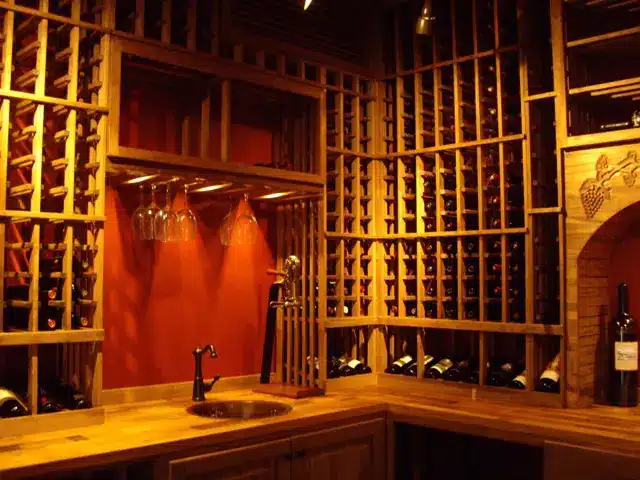
Wood can warp easily when exposed to unsuitable conditions. Our rack mounted wine cellar cooling system ensures your racks and wines stay protected and last a long time.
Why a Rack-Mounted Cooling Unit Was Selected
The cooling system selected for this project needed to provide dependable performance while preserving the clean appearance of the wine cellar.
Rack-mounted wine cellar cooling systems offer an effective solution when homeowners want to minimize the visibility of refrigeration equipment. Rather than placing large mechanical components prominently within the room, rack-mounted systems allow the evaporator assembly to be incorporated into the wine racking itself.
This approach offers several advantages:
- Reduced visual impact
- Efficient use of cellar space
- Improved design flexibility
- Consistent airflow distribution
- Quiet operation
By integrating the cooling system into the cellar’s architectural design, the project was able to maintain a refined appearance while still delivering the environmental control necessary for proper wine storage.
RM6600 Rack-Mounted Wine Cellar Cooling System
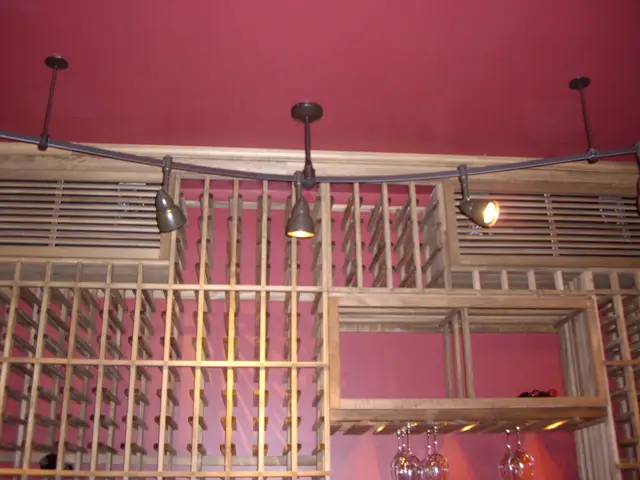
Your wine cellar’s aesthetics don’t have to be sacrificed — this RM6600 was well hidden in plain sight!
To meet the cooling requirements of this project, an RM6600 rack-mounted wine cellar cooling system was installed.
The RM6600 is designed to provide reliable refrigeration performance while allowing the evaporator components to remain discreetly integrated within the cellar design. Its split-system configuration separates the condensing unit from the evaporator assembly, helping reduce operational noise and increasing installation flexibility.
For this Baton Rouge wine cellar, the system utilized a twin-evaporator configuration to improve airflow management and temperature consistency throughout the space.
Benefits of a Twin-Evaporator Configuration
Large wine cellars and complex room layouts often benefit from multiple evaporators because they improve air distribution and help maintain more consistent environmental conditions.
Key benefits include:
- More uniform temperatures throughout the cellar
- Reduced hot and cold spots
- Improved airflow circulation
- Enhanced cooling efficiency
- Greater environmental stability for wine storage
The twin-evaporator design helps ensure that conditioned air reaches all areas of the cellar, supporting consistent storage conditions across the entire collection.
Concealed Cooling System Integration
One of the most important objectives of this installation was preserving the visual character of the wine cellar while maintaining dependable cooling performance.
Evaporator Placement
The evaporator assemblies were integrated within the wine racking system, allowing the cooling equipment to remain largely hidden from view.
Concealing the equipment within the cellar architecture provides several benefits:
- Cleaner visual presentation
- Better integration with custom racking
- Preservation of display aesthetics
- Efficient conditioned-air delivery
The result is a wine cellar where the focus remains on the collection itself rather than the mechanical equipment supporting it.
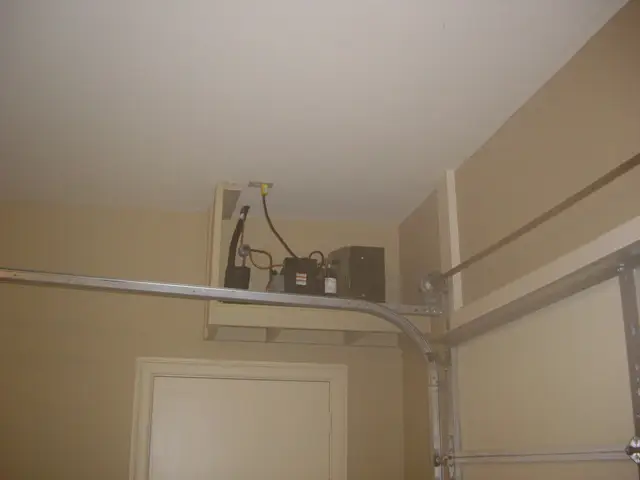
Actual condenser of the RM6600.
Condensing Unit Placement
The condensing unit was installed remotely from the wine cellar.
Remote installation offers several advantages, including:
- Reduced operational noise
- Improved heat management
- Easier service access
- Increased design flexibility
Separating the condensing equipment from the cellar environment contributes to both performance and user comfort while simplifying future maintenance requirements.
Key Design Considerations for Wine Cellars in Hot, Humid Climates
Projects located in warm, humid regions require careful planning to ensure reliable cooling performance and long-term wine protection.
Accurate Heat-Load Calculations
Proper cooling system sizing begins with a thorough heat-load analysis. Factors such as room dimensions, insulation levels, glass exposure, door construction, and ambient temperatures all influence cooling requirements.
Proper Cellar Construction
Even the most advanced cooling system cannot compensate for inadequate cellar construction. Insulation, vapor barriers, and airtight construction are critical components of a successful wine cellar.
Airflow Management
Consistent air circulation helps eliminate temperature stratification and ensures that all areas of the cellar remain within the desired storage range.
Service Accessibility
Planning for future equipment maintenance is an important part of cellar design. Accessible equipment locations can simplify service procedures and extend the lifespan of the cooling system.
Matching Equipment to the Project
Every wine cellar is unique. Selecting the appropriate cooling system requires evaluating the specific environmental conditions, room layout, storage capacity, and performance expectations of the project.
Reliable Climate Control for Long-Term Wine Storage
This Baton Rouge wine cellar project demonstrates how a properly engineered rack-mounted cooling system can provide dependable environmental management while remaining virtually invisible within the cellar design.
By combining thoughtful cellar planning with an appropriately sized RM6600 cooling system, the installation achieved consistent temperature control, balanced airflow, and efficient humidity management. The result is a climate-controlled environment designed to support the long-term preservation and enjoyment of the homeowner’s wine collection.
For wine collectors, proper refrigeration is one of the most important investments that can be made in protecting a collection. A professionally designed cooling system helps ensure that wines can age gracefully while remaining shielded from the environmental fluctuations that can compromise quality over time.
Need Help Choosing a Wine Cellar Cooling System?
Every wine cellar has unique cooling requirements. Whether you’re building a new wine cellar, renovating an existing space, or upgrading older refrigeration equipment, selecting the right cooling system is essential for maintaining proper storage conditions.
CONTACT US to discuss your project, request a cooling system recommendation, or connect with an authorized dealer who can help determine the best solution for your wine cellar.